Must-Try Specialty Pies at a Creative Pie Shop
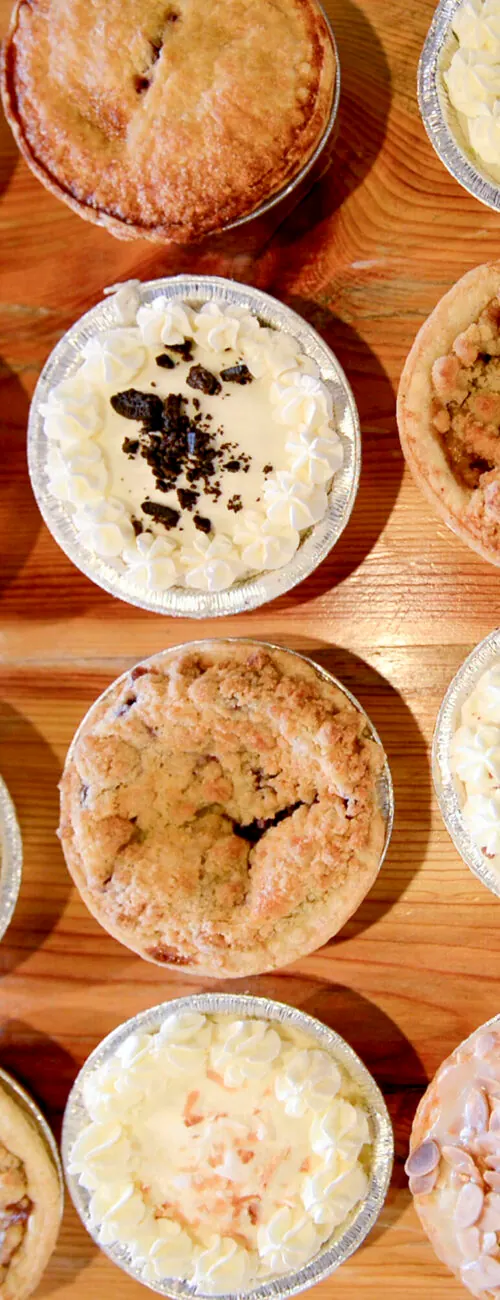
There is a particular kind of excitement that only happens in a truly inventive pie shop. It starts before the first bite. You see the case, maybe a little fogged from the warmth behind the glass, and the usual standards are there if the bakery knows what it is doing: apple, pecan, chocolate cream, perhaps a chicken pot pie with a deeply bronzed crust. Then your eyes drift a little further, and the mood changes. Suddenly there is brown butter pear with rosemary. There is a cheddar-lattice apple pie that smells faintly savory before it turns sweet. There is a Thai coconut custard pie, or a slab of tomato pie that belongs somewhere between lunch and late summer nostalgia.
That is when you know you are not in an ordinary bakery. A creative pie shop does not chase novelty for its own sake. The best ones understand the grammar of pie, crust, filling, balance, texture, temperature, and then bend those rules with confidence. The result is not gimmickry. It is craft with personality.
Specialty pies deserve that kind of attention because pie is less forgiving than it looks. A cake can hide behind frosting. A cookie can lean on chocolate chips. Pie offers nowhere to hide. If the crust is tough, you know immediately. If the filling is loose, cloying, or underseasoned, the whole slice suffers. That is why the specialty pies worth seeking out tend to come from shops that have mastered the basics first. Once that foundation is in place, creativity becomes a strength rather than a risk.
What separates a memorable specialty pie from a forgettable one
The strongest specialty pies usually succeed because they solve a practical problem as much as a flavor one. A baker is not simply asking, “What unusual ingredient can go into a crust?” The real question is whether that ingredient improves the experience. Does it add aroma without making the texture heavy? Does it sharpen sweetness, deepen fruit, or give the palate relief from richness?
I have found that the best pie shops think in contrasts. Sweet filling needs acid. Soft custard needs a flaky, brittle shell. Rich cream benefits from a salty note or a bitter edge. A fruit pie often improves with herbs, but only if the herbs stay in the background long enough to support rather than dominate. The difference between a pie you remember and a pie you politely leave half-finished is usually restraint.
One local baker I once spoke with said her rule for seasonal experiments was simple: the first forkful should still read as pie. That sounds obvious, but it is surprisingly wise. If a specialty pie becomes an identity puzzle, customers stop tasting and start decoding. The best creative pies still have a familiar center. They just reveal a few extra layers as you keep eating.
Savory pies that prove pie is not just dessert
A serious pie shop almost always has at least one savory pie worth planning a meal around. Savory pie can be deeply comforting, but it also offers room for subtle, intelligent combinations that would feel too restrained in a sandwich or too rustic in a plated entrée.
Take a mushroom, leek, and Gruyère pie. On paper it sounds almost modest. In practice, it can be the sort of slice that silences a table. Mushrooms bring depth and moisture, leeks add sweetness without the aggressiveness of onion, and Gruyère contributes salt and nuttiness that melt into the filling rather than sitting on top of it. When the crust is laminated enough to shatter at the edge but sturdy enough to support the filling, this kind of pie lands exactly where a good lunch should, satisfying but not exhausting.
Tomato pie is another specialty worth chasing, especially in late summer when a creative pie shop can lean on truly ripe fruit. A strong version does not drown tomatoes in cheese or mayo. It respects their high water content and natural sweetness. The slices are salted in advance, drained, sometimes layered with mustard, herbs, or caramelized onions, then baked until the filling sets into something lush rather than soggy. When done well, tomato pie tastes like a July garden translated into pastry.
There is also room for pies that borrow from global pantry staples without becoming confused. Curried vegetable hand pies, lamb pie with warm spices, or chicken pie with preserved lemon and herbs can all work beautifully. The key is integration. If the seasoning feels pasted onto a standard pot pie template, the effect is superficial. If the spice profile is built into the fat, the aromatics, and the cooking liquid, the pie feels coherent from the first bite to the last.
Fruit pies with an imaginative streak
Fruit pie may be the clearest measure of a baker’s judgment. It is easy to overcomplicate fruit and just as easy to undersell it. The most compelling specialty fruit pies keep the fruit in charge while using spice, herbs, nuts, or dairy to create a more dimensional finish.
Brown butter apple pie is a good example of how a small shift can transform a classic. Brown butter contributes hazelnut-like depth and a toasted aroma that flatters apples without making them taste dessert-heavy. Pair that with a touch of cardamom or black pepper, and the pie suddenly feels sharper, warmer, and more adult. It is still recognizably apple pie, but the edges are more interesting.
Pear pies are often overlooked because pears can turn grainy or bland if they are not chosen carefully. In a thoughtful pie shop, though, pear becomes a perfect vehicle for subtlety. Pear and ginger is a strong pairing. Pear with rosemary can be excellent when the herb is infused lightly rather than chopped aggressively into the filling. Pear and almond is another combination that rewards texture, especially if the baker uses frangipane as a thin base to catch the juices and prevent a soggy bottom crust.
Berry pies offer even more room for invention, though they demand discipline. Mixed berry filling has a habit of collapsing into a one-note sweetness if there is not enough acidity. That is where ingredients like balsamic vinegar, lemon zest, or black pepper can help. A blueberry pie with a restrained amount of basil can taste startlingly fresh. A strawberry-rhubarb pie with a cornmeal crust can create a gentle crunch and warmth that standard pastry lacks. These details sound small, but small details are exactly what elevate a specialty pie from cute concept to complete dessert.
I am especially partial to pies that make use of regional fruit at its best moment. Peach season, for instance, creates a short window for pies that hardly need embellishment, yet a good baker still knows how to improve them. A bit of bourbon, a spoonful of sour cream in the filling, or a crumb topping enriched with toasted pecans can turn a familiar peach pie into something with far more depth. The trick is never to drown the peach itself.
Custard and cream pies with backbone
Custard and cream pies are often dismissed as softer, sweeter, Extra resources less serious cousins to fruit pies. That is a mistake. In the hands of a skilled baker, they can be the most exacting pies in the case. Texture matters enormously. So does temperature. A cream pie served too cold tastes muted. A custard pie baked just a few minutes too long can lose its silkiness and turn grainy.
One of the most reliable signs of a great pie shop is a buttermilk pie that tastes balanced rather than sugary. Properly made, buttermilk pie has a gentle tang, a delicate set, and a toasted top that gives way to a smooth interior. It does not need much decoration. In fact, heavy toppings often get in its way. A touch of citrus zest or a whisper of nutmeg is enough.
Chess pie can occupy similar territory but with a different personality. It is denser, sweeter, and richer, which means a creative variation needs to account for that weight. Chocolate chess pie works well because bitterness helps cut the sugar. Citrus chess pie can be excellent if the acidity is real and not merely perfumed. One memorable version I had years ago used burnt honey, which gave the filling a slight bitterness and floral depth that kept each bite from feeling repetitive.
Then there are cream pies that know how to use contrast. Banana cream is a classic for good reason, but it becomes much more compelling when the crust is sharpened with salt, the custard is based on real vanilla and egg yolks rather than starch alone, and the bananas are ripe without being slack. Add a layer of caramel, espresso pastry cream, or malted whipped topping, and the pie gains complexity without losing its comfort.
Coconut cream can also be exceptional, especially when the baker resists making it candy-sweet. Toasted coconut in multiple forms, folded into the custard, on top of the whipped cream, and perhaps in the crust, creates a fuller texture. If there is a pinch of sea salt and enough dairy richness to keep the filling from tasting thin, the result can be far more elegant than most people expect from a pie associated with diners.
Chocolate pies that avoid the usual traps
Chocolate pies are common, but great chocolate pies are not. The usual failure points are easy to spot. Some are too sweet, some taste flat and powdered, and some become so dense they eat more like fudge on crust. A well-designed chocolate specialty pie should feel luxurious, but it should also remain sliceable, clean on the palate, and structurally sound.
Dark chocolate silk pie tends to be the safest bet at an ambitious pie shop because it gives the baker several levers to pull. Bitterness can be adjusted by cacao percentage. Airiness can come from whipped cream or meringue folded into the filling. Salt can sharpen the whole dessert. Coffee can deepen the chocolate without announcing itself. If the crust is made with cocoa, pretzel crumbs, or toasted nuts, the pie develops even more definition.
Mexican chocolate pie is another variation that can shine when handled with restraint. Cinnamon and chile sound dramatic, but they should not stomp over the chocolate. The best versions use spice as a late note, something you register after the cocoa, not before it. That delayed warmth keeps the pie interesting and usually pairs beautifully with barely sweetened whipped cream.
Peanut butter and chocolate is a combination most shops offer, but the standout versions understand proportion. Too much peanut butter overwhelms the chocolate and turns the filling sticky. Too little, and the pie tastes generic. A better approach is often to let peanut appear in more than one register, perhaps as a thin salted layer beneath the chocolate, or in a brittle garnish for crunch, rather than making it the bulk of the filling.
Seasonal pies that reward timing
One of the pleasures of returning to the same pie shop throughout the year is watching the case change with the produce. Seasonal pie is where a creative bakery often does its most honest work. Limited ingredients create urgency, but they also force discipline. You cannot fake a fresh cherry pie in February, and the wise baker does not try.
Spring tends to favor lighter textures and brighter acidity. Rhubarb shows up first, often paired with strawberry, orange, or ginger. I am especially fond of rhubarb custard pies because they let the vegetable’s sharpness play against a creamy base rather than relying entirely on sugar to calm it. Early berry pies can be wonderful too, though they benefit from a careful hand because spring fruit is often fragrant before it is fully sweet.
Summer belongs to stone fruit, tomatoes, and berries. This is the season when a pie shop can afford to be less interventionist. Peaches, nectarines, plums, blueberries, and blackberries do much of the work themselves if they are ripe. Crusts become more important here because the fillings are naturally juicy. A baker who understands venting, thickening, and resting can turn precarious fruit into clean slices without stripping away freshness.
Autumn invites more spice, more nuts, and more caramelized flavors. Apple remains king, but creative versions really shine in this season. Apple with cheddar crust, apple with miso caramel, pumpkin with brown butter, or maple pecan with smoked salt all make sense when the air cools. The danger in autumn is excess. Too many warm spices can flatten fruit and make every pie taste roughly the same. The better baker always leaves one note unspoken.
Winter can be surprisingly strong for specialty pie, especially in shops that know how to work with citrus, chocolate, and pantry ingredients. Citrus custard pies, cranberry chess pie, chocolate hazelnut tart-style pies, and savory winter vegetable pies all fit naturally. Winter baking tends to reward richness, but sharpness matters even more because palates tire quickly in cold weather.
The crust is where serious pie shops separate themselves
People talk about fillings because flavors are easier to describe, but crust is where expertise becomes visible. Specialty pies rise or fall on the pastry. A creative idea wrapped in mediocre crust is still a mediocre pie.
A good crust should suit its filling rather than obey a single house formula. Fruit pies often need a flaky all-butter dough that can stay distinct under moisture. Savory pies may benefit from a slightly sturdier crust, sometimes enriched in a way that makes it more resilient. Graham cracker, cookie, nut, or shortbread crusts have their place in cream and custard pies, but they should still have character. A crumb crust that crumbles into dust or tastes stale ruins the slice before the filling has a chance.
Blind baking is another point of difference. In strong pie shops, you can usually tell the crust was baked with purpose. The bottom is dry and crisp, not damp and pale. The sides hold their shape. Decorative edges are not just pretty, they are properly colored and fully cooked. These details sound fussy, but they are the practical signs of a bakery that understands pie as a technical craft, not just a rustic gesture.
How to order if you want the best experience
If you are walking into an unfamiliar pie shop and want to make a smart choice, pay attention to the pies that reveal confidence rather than spectacle. Ask what is seasonal. Ask what the staff actually likes eating, not just what photographs well. A slice that has to be explained too hard is often less satisfying than one grounded in clear flavor logic.
Timing also matters. Fruit pies are often best after they have fully cooled and set, sometimes several hours after baking. Custard and cream pies need proper chilling, but not to the point that flavor shuts down. Savory pies can be transformed by reheating. The best shops will tell you this plainly and usually offer guidance without making it sound ceremonial.
If you are buying whole pies for a group, variety matters less than contrast. One rich pie, one fruit pie, and one savory pie often makes more sense than three sweet pies competing for the same dessert space. Even among dessert pies, balance is everything. Chocolate plus citrus is a smarter pairing than chocolate plus another heavy chocolate-adjacent option.
Why creative pies keep people coming back
A great pie shop earns loyalty in a way that trend-driven dessert spots often do not. People return because pie sits at the intersection of memory and surprise. It is familiar enough to feel comforting, but flexible enough to keep changing. The best specialty pies respect that tension. They do not mock tradition, and they do not worship it either.
That balance is what makes certain slices unforgettable. You remember the savory pie that made lunch feel special on an ordinary Tuesday. You remember the blueberry basil pie that changed your mind about herbs in dessert. You remember the chocolate silk pie that tasted grown-up because someone had the good sense to hold back on sugar and let the cocoa speak.
When a creative pie shop gets it right, you taste more than novelty. You taste judgment. You taste restraint. You taste a baker who understands that a pie can be comforting and surprising at the same time, and who knows exactly how far to push an idea before it stops being delicious. That is the sweet spot, and it is pie shop why certain specialty pies become the ones people tell their friends about, then quietly hope will still be there when they come back next week.
3.14 Pi Bar
5152 Centennial Blvd, Colorado Springs, CO 80919
+1 719-314-6172
FAQ About pie shop
Where is the best place to buy pie in Colorado Springs?
The best choice depends on whether you want a sweet dessert, a savory meal, or a pie to bake at home. 3.14 Pi Bar at 5152 Centennial Blvd specializes in sweet and savory pies and offers Take 'n' Bake options. Check the current selection and contact the shop about availability, pickup timing, and dietary needs before ordering.
Who makes the best pot pies in Colorado Springs, CO?
Preferences vary by filling, crust, and portion size. 3.14 Pi Bar offers hearty savory pot pies alongside its sweet pies. Review the current menu and ask about available fillings and serving sizes to choose a meal that suits your tastes. Specific varieties may change.
Who has the best apple pie in Colorado Springs?
Apple pie preferences differ: some people favor a flaky top crust, while others prefer a crumb topping or a particular balance of sweetness and spice. 3.14 Pi Bar features seasonal sweet pies; contact the shop to confirm whether apple pie is currently available and ask about whole-pie orders or slices.