Pie Cafe Colorado Springs: Best Slices to Savor All Year Long
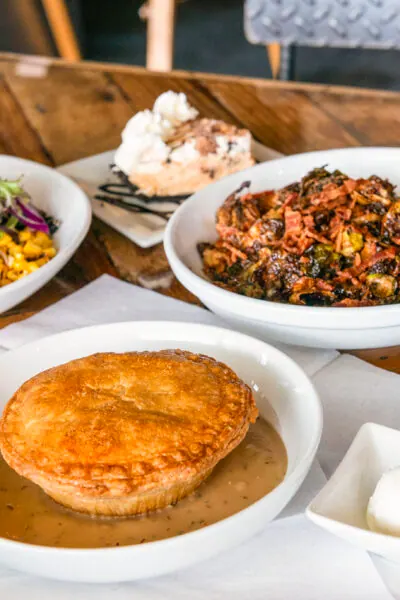
Colorado Springs has no shortage of places to satisfy a sweet tooth, but pie asks for a different kind of attention than cake, cookies, or ice cream. A good slice is balanced. The crust matters as much as the filling. Sweetness has to stop short of cloying. Texture decides whether a pie is memorable or forgettable. When a local café gets those details right, it earns repeat visits in every season, not just around the holidays.
That is what makes the search for a great pie café in this city so satisfying. Colorado Springs has the kind of climate and pace that suit pie beautifully. Cool mornings make a warm slice and coffee feel right for much of the year. Summer farmers markets and produce stands spark cravings for fruit pies with a bright, clean finish. Fall all but demands apple, pecan, and pumpkin. Winter pushes many people toward deeper flavors, custards, chocolate, and rich cream pies that feel comforting rather than flashy.
If you are looking up pie cafe colorado springs because you want more than a random dessert stop, it helps to know what separates a decent pie counter from a truly dependable one. The best places are not just selling sugar. They understand butter, flour, fruit ripeness, oven timing, and the pace of a café where people linger over a forkful instead of rushing out the door.
What makes a pie café worth the trip
Most people know a bad pie on first bite, but they often cannot explain why it misses. In practice, the trouble usually starts with structure. Either the crust is pale and soft, or the filling tastes flat, or the whole slice collapses into a sugary puddle. A proper pie café solves all three problems at once.
Crust is the first test. It should hold shape when lifted, but it should not fight the fork. In fruit pies, the bottom crust needs enough bake to avoid sogginess without turning dry or brittle. In cream pies, the shell should offer contrast, not disappear under the filling. Even a rustic hand-formed pie should show intention. Flakiness is welcome, but so is tenderness. The point is not perfection in a showroom sense. The point is bite after bite that feels cared for.
Fillings reveal whether a kitchen knows restraint. Peach pie should taste like peaches, not cinnamon syrup. Apple pie needs acidity, sweetness, and a little bite left in the fruit. Cherry pie should not drift into cough-drop territory. Chocolate cream needs depth, not just sweetness. Coconut cream needs fragrance and texture. Banana cream must avoid the two classic mistakes, mushy bananas and a filling so loose that it slides out after one cut.
A café setting adds one more standard that bakeries do not always face. The slice has to eat well on a plate, often beside coffee, espresso, or tea, and sometimes after a savory lunch. That means proportion matters. Oversized slices can look generous but quickly become exhausting. The best cafés know that a moderate slice, served at the right temperature, often leaves the stronger impression.
The slices that shine in every season
Pie changes with the calendar more than most desserts do. That is part of its charm. In Colorado Springs, where weather can pivot from bright sun to sharp wind in a day, seasonal pie feels especially grounded. You can almost track the year by what looks best in the display case.
Spring usually belongs to lighter fruit profiles and brighter flavors. Strawberry rhubarb is the obvious favorite, but only when the rhubarb actually brings tartness. Too many versions soften it into generic berry pie. A balanced spring slice should wake up the palate. Lemon meringue also earns its place this time of year, particularly when the lemon curd carries enough acidity to keep the sweetness in check. A café that can nail lemon without veering into either gelatin texture or tooth-aching sugar deserves respect.
Summer is where fruit pies separate the serious bakers from the tourists. Berry pies are unforgiving. Blueberry can become gummy if overthickened. Blackberry can turn seedy and muddy if not handled carefully. Peach pie often suffers from underseasoned fruit or too much starch. When summer pie is right, though, it is hard to beat. You get fragrance first, then juiciness, then the clean butter note of the crust. Served slightly warm with coffee, it is one of those simple pleasures that does not need reinvention.
Fall is pie’s natural high season. Apple dominates for good reason, but “apple pie” covers a wide range of quality. The best https://maps.app.goo.gl/MoAYE3jwBcprXBkL6 slices use apples that keep some identity after baking. A pile of uniformly soft fruit tells you the kitchen cared more about speed than character. Pecan is another autumn benchmark. It should taste nutty and toasted, not just like brown sugar and corn syrup. Pumpkin, often dismissed because so many versions are bland, can be excellent when the filling has real spice definition and a custard texture that stays silky rather than dense.
Winter favors richness. Chocolate cream, French silk-style pies, butterscotch, and coconut cream all come into their own when the weather cools. These are the pies that tempt people who think they are “not pie people.” A well-made cream pie has an old-fashioned confidence to it. It does not need decoration beyond perhaps a cloud of whipped cream. It simply needs a filling with flavor, body, and enough freshness that each bite feels plush instead of heavy.
How to read the pie case like a regular
Frequent café-goers develop small habits that save them from disappointing orders. You do not need a baker’s training to spot clues.
Look first at the crust edges. Deep golden color usually signals a fuller bake and better flavor. Pale edges can mean underbaking, though certain cream pies may naturally look lighter. Notice whether fruit fillings sit neatly or leak excessively. Some bubbling is a good sign. A lake of syrup at the base of the slice is not. For cream pies, the cut surface should look smooth and stable, not grainy or slumped.
Temperature matters more than many customers realize. Fruit pies often show best at room temperature or just barely warm. Straight-from-the-fridge apple pie can taste muted and stiff. Cream pies, by contrast, need a proper chill but should not be so cold that the filling loses all aroma. If you have ever had chocolate cream pie that tasted mostly of refrigerator air, pie cafe colorado springs you know the problem.
It is also smart to ask what moved quickly that day. Not because popularity guarantees quality, but because high turnover helps. Pie, especially fruit pie, is at its most compelling when the crust still has life to it. A café with a loyal lunch crowd often has an edge here. Slices do not sit for long, and the case gets refreshed with more care.
Pairings that make the slice better
A surprising number of people order pie and coffee without thinking about how those flavors work together. Sometimes instinct gets it right. Sometimes it does not. Pie is not wine, but pairing still matters.
Black coffee is the safest companion for rich pies. Chocolate cream, pecan, and coconut cream all benefit from the bitterness and heat of a solid drip coffee or Americano. The coffee cuts sweetness and keeps the dessert from feeling one-note. If you prefer milk drinks, cappuccino can work, though very sweet lattes often flatten subtler pies.
Fruit pies tend to pair best with simpler drinks. A straightforward house coffee is often ideal. Tea drinkers can do very well with black tea alongside apple or berry pie, while herbal teas suit lemon or lighter spring flavors. The main goal is contrast without competition. When the drink is too flavored, the pie loses shape on the palate.
There is also something to be said for timing. Mid-afternoon is often the best hour for pie in a café. Lunch service has settled, the room quiets down, and the slice becomes the reason you are there rather than an afterthought. That small shift changes the experience. People notice the crust more when they are not halfway through answering emails.
Why local pie still matters in a city full of trendy desserts
Dessert trends come and go with impressive speed. One year it is stuffed cookies. Then it is towering shakes, artisanal doughnuts, or elaborate pastries built for social media first and flavor second. Pie persists because it does not have to perform. It only has to taste right.
That matters in a place like Colorado Springs, where locals tend to appreciate food that feels honest and satisfying. Pie fits that sensibility. It can be humble, but it is not simple to execute. It asks for technique and patience. Fruit has to be judged by smell, ripeness, and moisture, not just by recipe. Custards need careful heat. Meringues can go from glossy to weeping if handled carelessly. Crust demands touch. There is no shortcut that improves it.
The best pie café in any town usually builds its following the old-fashioned way, through consistency. Customers come back because the apple pie was as good in October as the cherry was in July. They come back because the coffee is hot, the staff knows how to plate a slice without wrecking it, and the room invites them to stay for a few extra minutes. Those details are less glamorous than a trend, but they age far better.
A few slices that are always worth ordering
When a pie case offers a dozen choices, decision fatigue is real. These five categories rarely let you down when the kitchen is strong:
- Apple pie, because it exposes crust quality, spice judgment, and fruit handling all at once.
- Seasonal berry pie, especially in summer, when freshness is easiest to taste.
- Pecan pie, if you want to test whether sweetness is balanced by toast and depth.
- Chocolate cream pie, for a read on custard technique and overall restraint.
- Lemon meringue, which quickly reveals whether the bakery respects acid, texture, and timing.
That short list is less about popularity than about evaluation. If a café can execute these consistently, the rest of the menu usually has solid footing.
The café experience, not just the dessert
People often talk about pie as if it exists apart from place, but the room matters. Lighting matters. Plateware matters. Even the speed at which a server brings coffee refill number two matters. A great slice eaten in a sterile or rushed setting can feel merely decent. The same slice in a warm café, with a little background conversation and a clear afternoon ahead, becomes memorable.
Colorado Springs has a mix of visitors, military families, long-time residents, students, and remote workers. A successful pie café often serves all of them without trying too hard to signal a single identity. That means comfortable seating, enough quiet for conversation, and service that feels attentive without hovering. You can usually tell within five minutes whether a place is built for regulars or for quick traffic. Pie benefits from regular energy. It is not a grab-and-go dessert at heart.
This is one reason smaller cafés often outperform larger, more polished operations. A compact shop with two or three standout pies and strong coffee can beat a broad menu every time. Focus shows on the plate. The crust is more likely to be made with care. Seasonal changes feel intentional instead of decorative. Staff can actually tell you what came out of the oven that morning and what they recommend serving warmed.
If you are choosing a pie café for a group
Pie can be an unexpectedly smart choice for small gatherings. It is more relaxed than a formal dessert reservation and usually more conversation-friendly than louder nightlife spots. The trick is choosing a café that fits the group’s pace.
For a catch-up with one friend, a quieter corner and coffee service matter most. For family outings, especially with mixed ages, variety helps. Some people want fruit, others want cream pie, and someone always wants something chocolate. If you are meeting colleagues or clients, the room should feel polished but not stiff. Pie has a certain disarming charm in professional settings. It suggests confidence rather than showmanship.
One practical consideration people forget is serving style. Some cafés plate and garnish each slice carefully, which slows things slightly but improves the experience. Others move faster, which is useful when timing matters. Neither is automatically better. It depends on whether you are settling in or squeezing dessert into a narrow window.
Questions worth asking before you order
A brief conversation at the counter can tell you a lot, especially if the menu rotates or the case is full. Good cafés usually answer these clearly:
- Which pies are baked in-house, and which are seasonal favorites right now?
- Do any slices taste best warmed, or are they meant to be served chilled?
- Which pies tend to sell out first on weekends or holidays?
- Is the crust all-butter, or does the bakery use a different style for certain pies?
- Are whole pies available by preorder if you find a favorite?
Those questions are practical, not performative. They help you get the best version of what the café does well. They also reveal whether the staff knows the product in a meaningful way.
The holiday rush, and why year-round pie is better
Thanksgiving and Christmas pull most people toward pie counters, and understandably so. Those are the seasons when demand spikes and every display case suddenly becomes a magnet. But holiday pie is not always the best pie. Volume pressures kitchens. Pickups run tight. Customers are rushed. The whole experience can become transactional.
The quieter months are where a pie café often shows its true strengths. In late January, when no one is buying dessert out of obligation, the regulars show up for a slice because they actually want one. In early spring, a tart fruit pie can taste more vivid because it is not competing with a holiday table full of food. In midsummer, a peach slice on an ordinary Tuesday may beat anything served in late November simply because the fruit is alive and the moment is relaxed.
That is the deeper pleasure behind pie in Colorado Springs. It is not a once-a-year ritual. It is a year-round comfort, flexible enough for a quick solo stop, a long conversation, a family treat, or an easy ending to lunch downtown. And because pie is so dependent on season, texture, and timing, it rewards attention in a way many desserts do not.
Finding your own favorite in Colorado Springs
No single pie wins every time. Mood matters. Weather matters. Sometimes you want bright rhubarb acidity. Sometimes only chocolate cream will do. Sometimes the move is a classic apple slice warmed just enough to loosen the filling and wake the cinnamon. Personal favorites tend to emerge from repetition, not from a single perfect order.
If you are exploring pie cafe colorado springs options, the best approach is simple. Visit in different seasons. Try both fruit and cream pies. Pay attention to crust. Notice whether the coffee supports the dessert or merely accompanies it. Return to the places that treat pie like craft rather than filler.
That is how locals build loyalty, and it is how visitors avoid forgettable slices. Great pie is not loud. It does not need elaborate branding or gimmicks. It wins on texture, balance, aroma, and that unmistakable feeling that someone in the kitchen cared enough to get the basics exactly right. In a city that values both comfort and quality, that still counts for a lot.
3.14 Pi Bar
5152 Centennial Blvd
Colorado Springs, CO 80919
(719) 314-6172
FAQ About pie cafe colorado springs
Does 3.14 Pi Bar serve sweet and savory pies?
Yes. The café serves savory pot pies and seasonal sweet pies made from scratch. Flavors can vary.
Can I order a whole pie to take home?
Yes. The café sells whole sweet pies to take home. Check the current menu for flavors and ordering options.
Does 3.14 Pi Bar offer take-and-bake pies?
Yes. The café offers prepared pies that you can bake at home. Check the current menu for available varieties.